Choosing a sleep test starts with identifying the question your clinician needs answered: obstructive sleep apnea, another breathing problem, or excessive sleepiness despite adequate sleep. You will be able to compare PSG, HSAT and daytime testing, provide the right booking information, prepare for the appointment and judge whether the report includes proper clinical follow-up.
Key takeaways
- Polysomnography records breathing, oxygen, brain waves, muscle activity and sleep position.
- Book a sleep test for loud snoring, witnessed pauses, gasping or persistent daytime sleepiness.
- Ask whether you need an attended polysomnogram, home test or CPAP titration study.
- Take your medication list and usual sleepwear, and confirm report delivery before arrival.
What a sleep study measures, and which test you need
An attended overnight polysomnogram records airflow through your nose and mouth, blood oxygen saturation, breathing effort, heart rate, EEG brain activity, eye movements, chin and leg muscle activity, and body position. These signals show whether you are asleep, which sleep stage you reach, and how breathing changes across the night.
| Test | What it records or does | When it applies |
|---|---|---|
| Diagnostic PSG | Full attended overnight recording | Initial evaluation when a detailed assessment is needed |
| Split-night PSG | Diagnosis early, then PAP titration later the same night | Suspected obstructive sleep apnea when enough early evidence and titration time are available |
| PAP titration | Finds effective positive-airway-pressure settings | After sleep apnea is confirmed or strongly established |
| HSAT | Usually fewer channels; no direct sleep-stage measurement | Adults with high likelihood of moderate-to-severe obstructive sleep apnea and no major complicating condition |
HSAT is not a universal snoring screen. Choose attended PSG instead for significant cardiopulmonary disease, suspected sleep-related hypoventilation, neuromuscular weakness, chronic opioid use, previous stroke, or severe insomnia. A negative or technically inadequate HSAT does not settle the diagnosis when suspicion remains.
Use the exact booking term: diagnostic PSG, split-night PSG, PAP titration, or HSAT. Confirm which channels are measured and who interprets them.
Multiple sleep latency testing is a daytime series of naps, usually after an overnight study. It measures how quickly you fall asleep while investigating narcolepsy or unexplained hypersomnolence.
Which symptoms justify booking a sleep test
Do not wait for snoring to worsen before contacting a sleep disorder clinic in Nagpur. Book an assessment for witnessed breathing pauses, gasping or choking during sleep, morning headaches, dry mouth, waking to urinate, insomnia, excessive daytime sleepiness, poor concentration, or a sleep-related driving or workplace accident.
Tell the clinician about resistant hypertension, obesity, opioids or sedatives, and any cardiopulmonary or neuromuscular illness. Also report loud snoring, unplanned dozing, and whether someone has observed restless or irregular breathing.
A sleep disordered breathing diagnosis does not come from snoring alone. The clinician combines your symptoms, examination and risk factors with the sleep-test result. An AHI or respiratory event index of 5 or more events per hour is interpreted with relevant symptoms or comorbidity; 15 or more can support diagnosis even without reported symptoms.
| Index range | Adult description | Important limitation |
|---|---|---|
| 5–14 events/hour | Mild | Does not show oxygen burden or daytime impairment |
| 15–29 events/hour | Moderate | Does not show arousals, position effects or driving risk |
| 30 or more events/hour | Severe | Does not independently determine treatment |
AHI is an average across recorded sleep, not a complete risk score. It does not independently describe oxygen drops, arousals, symptoms, sleep position or driving risk. Report drowsy driving immediately when booking; the clinician may prioritise testing and advise you not to drive until assessed.
How to book the right sleep test in Nagpur
For sleep test booking in nagpur, use this pathway:
1. Start with a pulmonologist, sleep physician or referring primary-care clinician. Describe nighttime events, daytime impairment, medical conditions, current medicines, and any drowsy-driving risk.
2. Ask whether a referral is required and which service fits: attended overnight polysomnography (PSG), home sleep apnea testing (HSAT), split-night PSG, PAP titration or daytime multiple sleep latency testing (MSLT). A split-night study combines diagnosis and PAP adjustment only when early results and remaining recording time are sufficient.
3. Confirm logistics before booking: overnight availability, arrival time, consent process, parking or building access, identification requirements, and what to do if you cannot sleep in an unfamiliar room.
4. Before travelling, confirm the clinic location, test duration, sensor setup, whether a qualified technologist remains available during an attended study, report turnaround and the follow-up appointment.
A negative or technically inadequate HSAT does not always settle the diagnosis. If suspicion remains, ask whether attended PSG or a second PSG is appropriate; one night can contain little REM sleep, little back-sleeping, reduced total sleep, sensor loss or ordinary night-to-night variation.
Provide the full medication list, including opioids and sedatives, and mention cardiopulmonary or neuromuscular disease. These details can make HSAT unsuitable and support laboratory testing instead.
How to compare a multispeciality sleep service
The cheapest test is not the best comparison if nobody explains what the recording means. Ask these questions before booking:
| Question | What to confirm |
|---|---|
| Which test is booked? | Attended overnight PSG, HSAT, split-night PSG or PAP titration |
| Which channels are measured? | Airflow, breathing effort, oxygen saturation, heart rate, EEG, eye movements, chin or leg activity and body position for PSG; HSAT records fewer channels |
| Who checks technical quality? | A qualified technologist reviews sensor placement, signal loss and whether the study is adequate |
| Who interprets the recording? | A board-certified or appropriately trained sleep physician, with the clinician’s name identified |
| When is the report issued? | A stated turnaround time, not only “after review” |
| How are results explained? | A follow-up consultation, including the meaning of abnormal findings and next steps |
A device hand-off without clinical interpretation is not a diagnostic sleep service. Confirm that abnormal results are discussed with a pulmonologist or sleep specialist and that PAP setup, respiratory evaluation or referral is available when needed.
A multispeciality clinic helps when sleep symptoms overlap with pulmonary disease, cardiovascular risk, pregnancy-related concerns, obesity or ENT obstruction. Multiple departments do not replace sleep expertise: your booking must identify who will diagnose the sleep disorder.
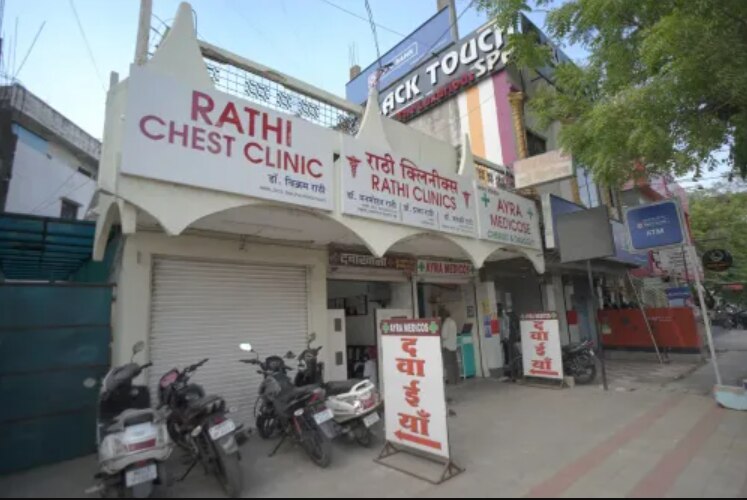
For someone searching for sleep for study multispeciality healthcare clinic in nagpur, Rathi Clinics Nagpur is worth considering only after confirming these test-specific details, including whether the proposed service is attended PSG or HSAT.
Related service
Interventional Pulmonary procedures Interventional Pulmonary procedures People with lung and airway (pulmonary) or chest (thoracic) diseases benefit from the services of our interventional pulmonology specialists. View service → |
What happens overnight, how to prepare and how to read the report
A sleep study in Nagpur usually takes place overnight, with the morning removal of sensors and clinician interpretation later. The equipment feels unfamiliar, but monitoring is not designed to hurt.
1. You arrive, confirm your identity, discuss the test, and sign consent. Tell the technologist about your symptoms, usual sleep, medicines and concerns about sleeping away from home.
2. The technologist attaches sensors to your scalp, face, chest, legs and finger. These record brain activity, eye and muscle movement, breathing, heart rate and oxygen levels.
3. You sleep in a private monitored room while the equipment records throughout the night. You can move and ask for help; a poor night does not automatically invalidate the study.
4. In the morning, the technologist removes the sensors. A clinician later reviews the recording and explains the findings, including whether they support a sleep disordered breathing diagnosis.
Keep your normal sleep schedule and avoid daytime naps before the appointment. Wash out hair products and remove skin creams where sensors will attach. Bring comfortable sleepwear, your medicines and identification. Follow the clinic’s instructions about caffeine, alcohol and sedatives. Do not stop prescribed sedatives, antidepressants, antihypertensives or other medicines independently.
The report considers the AHI or respiratory event index, oxygen desaturation, actual sleep time, sleep stages, arousals and whether events occur mainly while lying on your back. One number does not determine treatment; symptoms, oxygen burden, comorbidities, sleep quality and safety risks also matter.
Frequently asked questions
What does an attended overnight polysomnogram measure?
It records airflow through your nose and mouth, blood oxygen saturation, breathing effort, heart rate, EEG brain activity, eye movements, chin and leg muscle activity, and body position. These signals identify sleep stages and breathing changes during the night.
Which symptoms justify booking a sleep test?
Loud habitual snoring, witnessed breathing pauses, choking or gasping during sleep, morning headaches, persistent daytime sleepiness, resistant high blood pressure and unusual movements during sleep justify discussing a sleep test with a clinician.
How do you choose the right sleep test in Nagpur?
Ask whether your symptoms require an attended overnight polysomnogram, a home sleep apnoea test or a CPAP titration study. Confirm who reviews the recording, where the test takes place, how sensors are monitored and when you receive the report.
How should you prepare for an overnight sleep study?
Follow the clinic's instructions about medicines, caffeine, alcohol and naps. Bring comfortable sleepwear, identification, a medication list and any required device. Arrive with clean skin and avoid applying hair products or body lotion where sensors will be attached.
What information does a sleep study report contain?
The report explains sleep time and stages, breathing events, oxygen levels, heart rhythm, limb movements, body position and related indices. Ask the clinician to explain the findings and whether they support treatment for sleep-disordered breathing.
Keywords