
Snoring after a cold is a different problem from nightly snoring with witnessed pauses, choking, morning headaches or daytime sleepiness. You will be able to decide where to start, understand when a sleep study is appropriate, and compare home testing with attended polysomnography before you book an appointment.
Key takeaways
- Start with a general physician for occasional snoring without breathing pauses.
- Ask about a sleep study for witnessed pauses, gasping, or daytime sleepiness.
- Choose a home sleep test or polysomnogram based on your symptoms and health.
- Compare Nagpur providers by test type, report review, and follow-up care.
When snoring needs a doctor rather than observation
Start with general physician services when snoring is occasional, follows a cold or allergy flare, and causes no breathing pauses or daytime impairment. A general physician can address nasal congestion, allergic rhinitis, alcohol near bedtime, sedatives, smoking, sleep deprivation and back-sleeping before ordering a test.
Arrange medical assessment rather than continuing observation if snoring is nightly or someone notices:
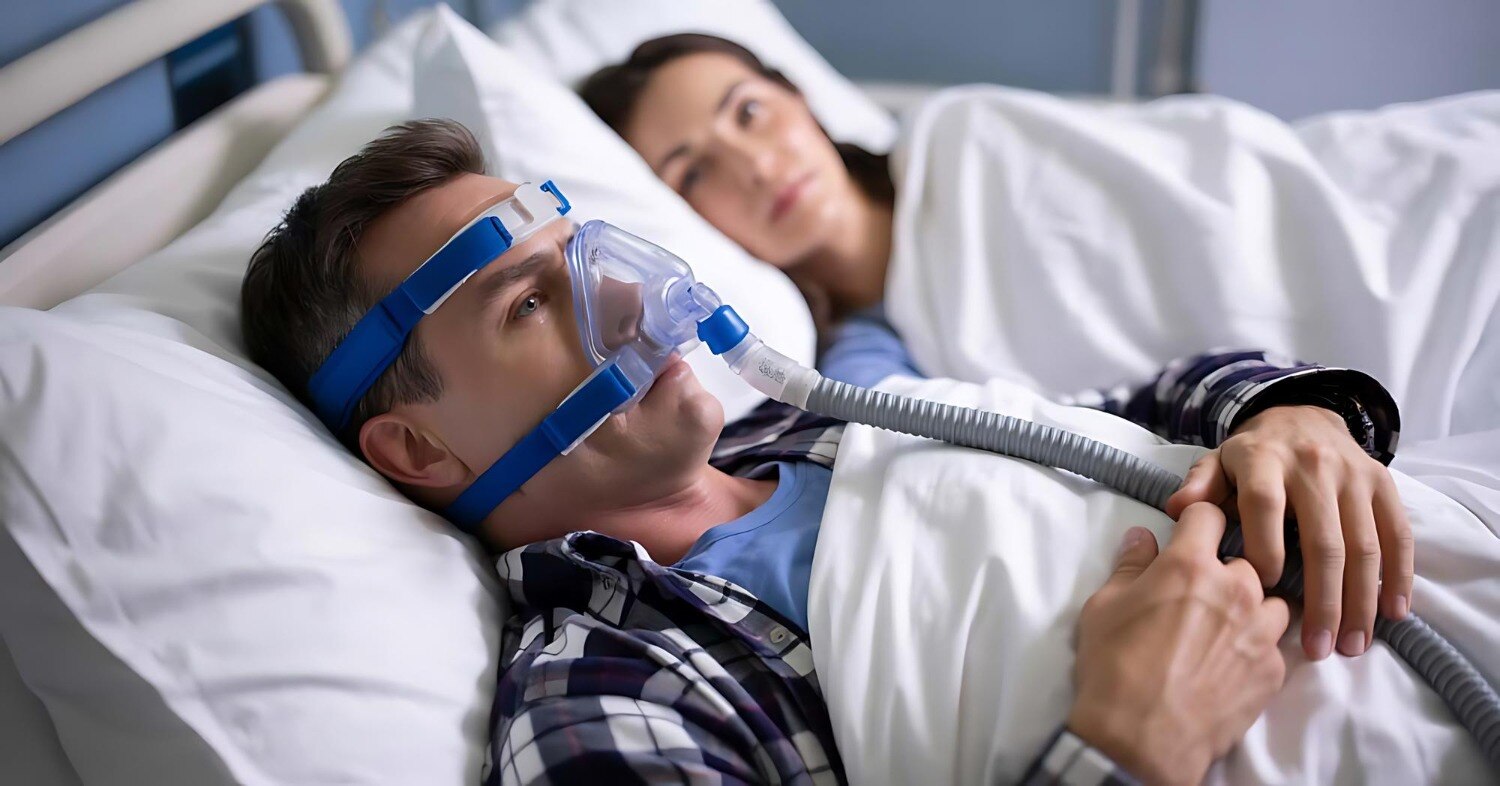
- Breathing pauses, choking or gasping during sleep
- Morning headaches or dry mouth
- Daytime sleepiness, poor concentration or unintended dozing
- High blood pressure or weight-related health concerns
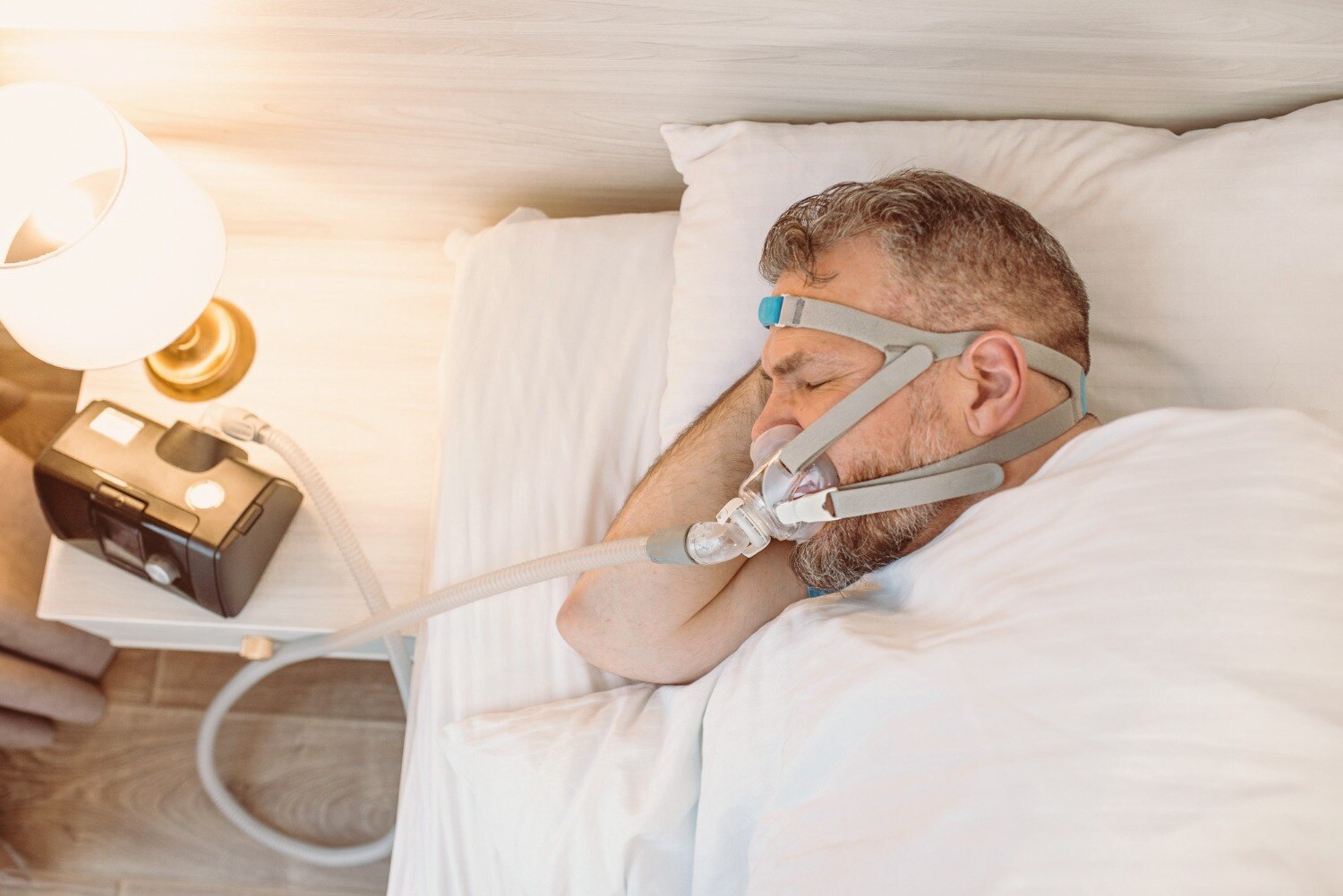
These signs raise concern for obstructive sleep apnea. Ask about general physician services or a sleep study in Nagpur, but do not treat a home test as a substitute for clinical assessment.
A physician can decide whether you need a home sleep apnea test or attended polysomnography, which records sleep stages, airflow, breathing effort and oxygen levels.
A “snoring doctor in Nagpur” is not a separate specialty. Start with a general physician, pulmonologist or sleep clinician; choose an ENT doctor when blocked nasal passages, enlarged tonsils or throat anatomy appear central. The right route depends on the suspected cause.
If symptoms persist after simple contributors are corrected, book an appointment even without witnessed apneas. Snoring alone does not prove sleep apnea, but persistent snoring should not be dismissed when sleepiness, choking or impaired concentration is present.
What a general physician checks before referring you
The first visit usually combines a history, examination and risk assessment rather than an immediate sleep study. General physician services in Nagpur can identify reversible triggers such as a cold, allergic rhinitis, nasal blockage, alcohol near bedtime, sedatives, smoking, sleep deprivation and sleeping on your back.
1. Expect questions about nightly snoring, witnessed pauses, choking or gasping, morning headaches, daytime sleepiness, poor concentration and driving safety. Your doctor will review medicines, alcohol use, weight changes and existing illnesses.
2. The examination includes blood pressure, body-mass assessment, nose and throat inspection, tonsils, jaw shape and nasal airflow. A crowded throat, persistent obstruction or high blood pressure raises concern beyond simple snoring.
3. Ask for referral to a pulmonologist or sleep specialist when breathing pauses, gasping, marked daytime sleepiness, resistant hypertension or suspected obstructive sleep apnea are present. They can decide whether you need a home sleep apnea test or attended polysomnography.
4. Ask for an ENT referral when a blocked nose, deviated septum, enlarged tonsils, nasal polyps or another throat obstruction appears to drive the snoring. Pregnancy lowers the threshold for assessment: report new loud snoring, pauses, gasping, severe sleepiness or hypertension to your obstetric clinician and seek sleep expertise when advised.
Do not dismiss persistent symptoms after treating congestion or changing bedtime habits. A negative or technically inadequate test still needs clinical follow-up, especially when witnessed apneas or daytime impairment continue.
Home sleep test or overnight polysomnogram: which one fits?
A home sleep apnea test suits an adult with a high likelihood of uncomplicated moderate-to-severe obstructive sleep apnea. An attended laboratory polysomnogram is safer or more informative when the diagnosis is uncertain, another sleep disorder is possible, or medical complexity could make home testing unreliable.
| Option | What it measures | When it fits |
|---|---|---|
| Home sleep apnea test | Airflow, breathing effort, oxygen saturation, and heart rate; some devices add snoring or position | Suspected uncomplicated OSA in a medically stable adult; it may not measure sleep stages or actual sleep time |
| Overnight polysomnogram | Brain waves, eye movements, muscle activity, sleep stages, airflow, breathing effort, oxygen saturation, heart rate, body position, and usually limb movements | Unclear diagnosis, suspected hypoventilation, insomnia, parasomnia, periodic-limb-movement disorder, or complex illness |
Choose attended testing when you have significant heart or lung disease, neuromuscular weakness, chronic opioid use, a previous stroke, severe insomnia, or suspected hypoventilation. These conditions can produce abnormal breathing that a limited home recording cannot classify properly.
A negative, inconclusive, or technically inadequate home test does not prove that OSA is absent. Ask who interprets the recording, which signals are captured, and what happens next if the result conflicts with your symptoms.
A sleep study test in Nagpur is useful only when a qualified clinician connects the recording with your history and arranges treatment or reassessment.
How to prepare for testing and interpret the result
Use your usual sleep schedule before testing; do not deliberately stay awake or sleep less to “produce” a result. Avoid alcohol and recreational sedatives on the testing night, and ask the ordering clinician whether to take sleeping tablets, opioids, antihistamines or other medicines.
Keep caffeine to your normal amount, wash off body oils where sensors will be placed, and bring a medication list.
- Confirm whether the test is a home sleep apnea test or attended polysomnography, and ask which signals it records.
- Follow the sensor instructions exactly: airflow, breathing effort, oxygen saturation, pulse and body position are important; laboratory testing also records brain waves, eye movements, muscle activity and heart rhythm.
- Record unusual events, such as a cold, fever, insomnia or a detached sensor, and report them before accepting the result.
- Arrange follow-up before testing, including what happens after a negative, borderline or technically inadequate recording.
An automatic apnea-hypopnea index (AHI) is a screening output, not a diagnosis. It reports breathing events per hour, but software can misclassify wake time, movement, signal loss or shallow breathing. A clinician must examine the raw recording and relate it to oxygen-desaturation burden, arousals, sleep position, symptoms, blood pressure and medical conditions.
A low AHI does not exclude significant sleepiness, upper-airway resistance, central sleep apnea, nocturnal hypoventilation or another disorder. This clinical review is essential for reliable sleep disorder diagnosis in Nagpur and before starting CPAP for presumed obstructive sleep apnea.
How to compare Nagpur providers and plan the next step
Choose the provider that can explain what happens after the result, not the one with the lowest advertised fee. Before booking general physician services or sleep study in Nagpur, ask:
- Is this an attended polysomnogram or a home sleep apnea test?
- Which signals will be recorded: airflow, respiratory effort, oxygen saturation, heart rate, sleep stages and limb movements?
- Who interprets the recording, and will you receive a clinician’s report rather than an automatic AHI number?
- What happens if the result is negative, inconclusive or technically inadequate?
- Can the same team arrange treatment, reassessment and referral if symptoms continue?
| Option | What it provides | Best fit |
|---|---|---|
| General physician | Reviews medicines, nasal obstruction, alcohol, sedatives, blood pressure and daytime symptoms | Snoring without witnessed pauses or major impairment |
| Home sleep apnea test | Fewer signals; often cannot confirm actual sleep time | Adults with a clear, uncomplicated risk pattern |
| Attended polysomnography | Sleep stages plus breathing, oxygen, heart-rate and movement data | Unclear cases, major symptoms, other sleep disorders or a failed home test |
Ask how quickly you can discuss the report and where follow-up occurs. A local provider is more useful when you can return easily for treatment changes, persistent sleepiness, or a repeat study.
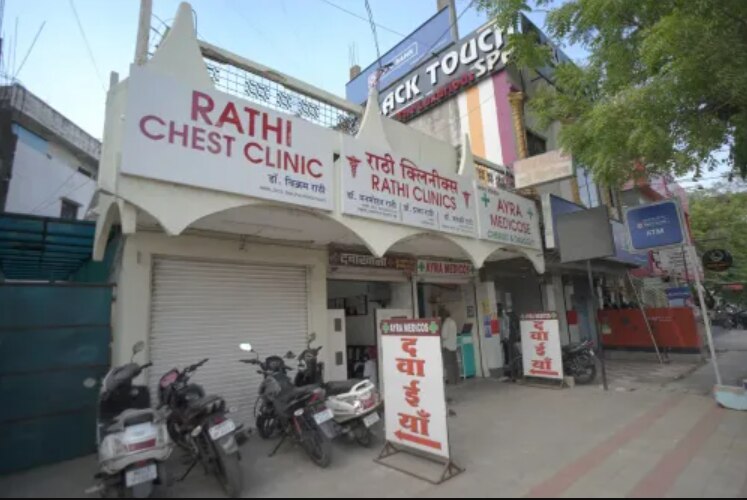
Rathi Clinics Nagpur is one local option to question about respiratory assessment and the follow-up pathway before arranging a sleep study test in Nagpur; confirm who interprets the test and manages the next step.
Related services
Sleep Disordered Breathing conditions Sleep Disordered Breathing conditions A potentially serious sleep disorder in which breathing repeatedly stops and starts. Risk factors include age and obesity. It's more common in men. View service → |
Sleep Related Problems & Snoring (OSA) Sleep Related Problems & Snoring (OSA) Habitual snoring can be a sign of a serious health problem Causes Of Snoring Obstructed nasal airways: Some people snore only during allergy seasons... View service → |
Frequently asked questions
When should snoring be assessed by a doctor?
See a doctor when snoring is frequent, loud, or accompanied by witnessed breathing pauses, gasping, morning headaches, poor concentration, or daytime sleepiness. Occasional snoring after a cold or allergy flare can start with general physician services.
What does a general physician check before referring me for a sleep study?
A general physician reviews your sleep symptoms, nasal congestion, allergic rhinitis, alcohol and sedative use, smoking, sleep duration, sleeping position, weight, blood pressure, medicines, and other conditions before deciding whether testing is needed.
Should I choose a home sleep test or an overnight polysomnogram?
A home sleep test can suit adults with a strong likelihood of uncomplicated obstructive sleep apnea. An overnight polysomnogram records more signals and is preferable when symptoms are complex, another sleep disorder is suspected, or a home test is inconclusive.
How do I compare providers for a sleep study test in Nagpur?
Ask which test will be used, what signals it records, who interprets the report, how results are explained, and what follow-up happens after diagnosis. Confirm the appointment process and whether a physician reviews the findings.
Keywords