
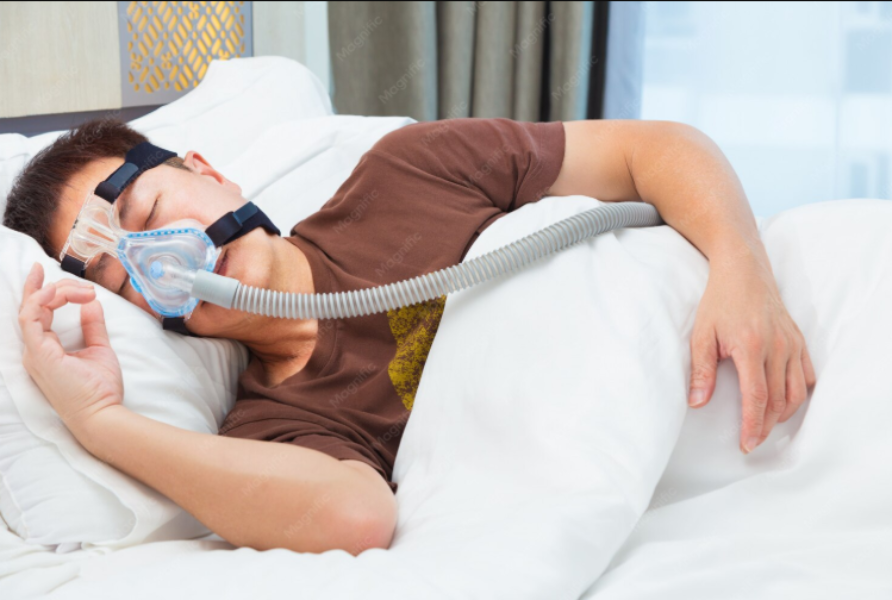
Snoring is common, but loud snoring accompanied by pauses in breathing, choking during sleep, or persistent daytime sleepiness can indicate something more significant.
Obstructive sleep apnea occurs when the upper airway repeatedly becomes narrowed or blocked during sleep, causing breathing to stop and restart. Common warning signs include loud snoring, witnessed breathing pauses, gasping, and excessive daytime tiredness. NHLBI, NIH
For people considering Sleep Apnea Treatment in Nagpur, the first step is distinguishing ordinary snoring from a sleep-related breathing disorder.
A useful assessment may explore:
- Loud habitual snoring
- Witnessed pauses in breathing
- Gasping or choking during sleep
- Morning headaches
- Dry mouth on waking
- Excessive daytime sleepiness
- Difficulty concentrating
- Frequent nighttime awakening
- Associated weight or airway-related risk factors
A sleep study may be recommended to determine whether sleep apnea is present and assess its severity. Depending on the patient's circumstances, sleep testing may take place in a sleep centre or through an appropriate home-based study. NHLBI, NIH
This distinction matters because treatment should be based on the type and severity of the condition rather than snoring alone.
Management can involve healthy lifestyle changes, positive airway pressure therapy, oral devices, and selected other interventions. PAP therapy, including CPAP, is commonly used to keep the airway open during sleep. NHLBI, NIH
Not every patient requires exactly the same approach.
For example, someone with mild disease and modifiable contributing factors may have different treatment considerations from a person with frequent breathing interruptions and substantial daytime sleepiness.
At Rathi Clinics Nagpur, evaluation can begin by reviewing sleep symptoms, respiratory health, relevant risk factors, and whether formal sleep testing is appropriate.
Family observations can be particularly valuable. Patients often do not know that their breathing repeatedly stops during sleep because the events occur while they are unconscious. A spouse or family member may be the first person to notice gasping, choking, or repeated breathing pauses.
Persistent daytime sleepiness should also not be ignored, particularly when it affects driving, work performance, or concentration.
Sleep apnea is therefore not simply a problem of noisy sleep. It is a breathing disorder that can interfere with sleep quality and oxygenation.
For patients in Nagpur experiencing habitual loud snoring together with breathing pauses or daytime symptoms, proper evaluation can establish whether treatment is actually needed and which option is appropriate.
Keywords