A diagnosis of pneumonia often raises an immediate question: can treatment safely continue at home, or is hospital care necessary?
The answer depends on much more than the presence of infection on a chest X-ray. Pneumonia Treatment in Nagpur should take into account the patient's breathing, oxygen level, age, general health, severity of illness, and ability to take medicines and fluids.
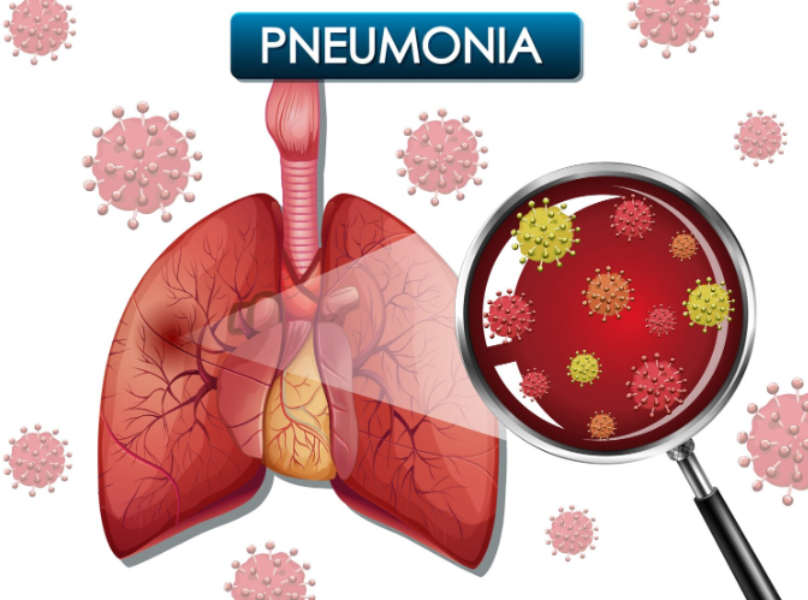
Pneumonia is an infection affecting the lungs. Symptoms can include fever, cough, phlegm, breathlessness, chest discomfort, fatigue, and reduced appetite. Older adults may sometimes present differently, including with weakness or confusion.
Many otherwise stable patients can be managed outside hospital under medical supervision. Others require closer observation, oxygen support, intravenous treatment, or hospital-based monitoring.
Factors that can influence this decision include:
- Severity of breathlessness
- Oxygen saturation
- Blood pressure and heart rate
- Confusion or altered alertness
- Ability to eat, drink, and take medicines
- Age
- Existing heart or lung disease
- Diabetes or other significant illnesses
- Immune status
- Response to initial treatment
This is why two people with 'pneumonia' on an imaging report may receive different treatment recommendations.
Another important issue is determining the likely cause and severity. Pneumonia can arise from different infectious organisms, and antibiotic decisions should be made according to the clinical situation rather than through self-medication.
People in Nagpur should seek prompt assessment when fever and cough are accompanied by significant breathing difficulty, chest pain, unusual drowsiness, confusion, bluish discoloration, or worsening weakness.
Recovery also does not necessarily occur the moment fever settles. Cough, tiredness, and reduced exercise capacity may take additional time to improve. Follow-up becomes important if symptoms fail to improve as expected or begin worsening again.
At Rathi Clinics Nagpur, assessment of suspected lower respiratory infection can help determine whether outpatient treatment is reasonable or whether a higher level of care is required.
People with chronic lung conditions such as COPD or asthma may require particular attention because an infection can aggravate their underlying respiratory disease.
Patients should also avoid using leftover antibiotics from an earlier illness. An incomplete or inappropriate course may not address the current problem and can complicate antimicrobial use.
The safest approach to pneumonia is therefore based on severity, not simply on the diagnostic label. Stable patients and seriously ill patients have very different care requirements.
Knowing the warning signs and obtaining timely respiratory evaluation can help determine the appropriate treatment setting while avoiding both unnecessary hospitalization and unsafe delay in higher-level care.
Keywords