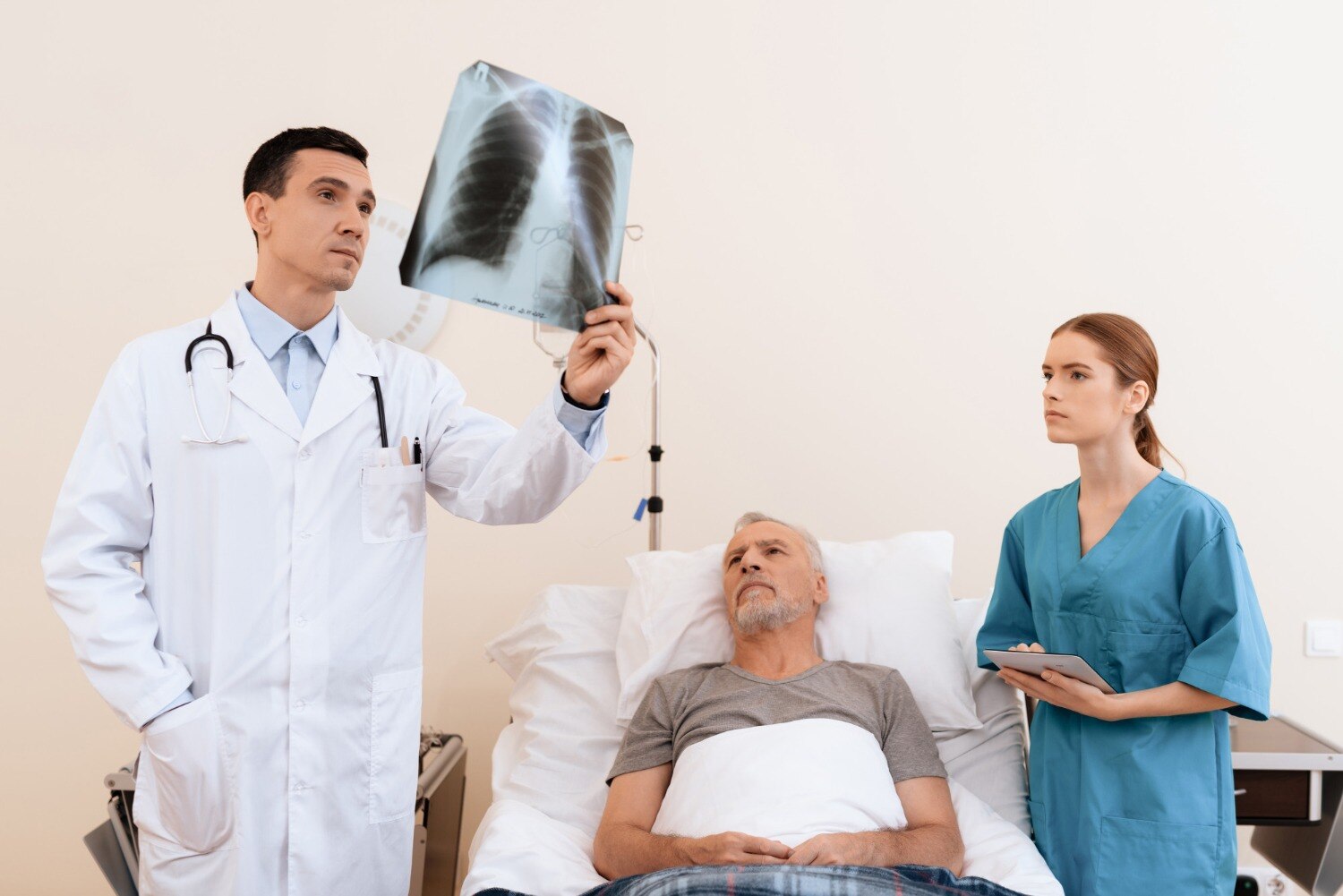
Before bronchoscopy, biopsy, airway stenting or pleural drainage, preventive care helps the team identify infection, breathing instability, medication-related bleeding and anaesthesia risks. You will know what to disclose, which records and tests may matter, how to prepare at home and how to arrange safe recovery.
Key takeaways
- Bring every medicine, supplement, inhaler and allergy detail to the consultation.
- Ask which tests your procedure and sedation plan actually require.
- Arrange an adult escort, transport and observation time before the procedure.
- Report fever, worsening breathlessness, chest pain or a new infection promptly.
What preventive assessment should establish before the procedure?
A preventive healthcare assessment before an interventional pulmonary procedure in Nagpur should identify risks that can be reduced, not order a blanket full-body check-up. The clinician matches tests to your history, examination, planned intervention and sedation or anaesthesia; a low-risk patient does not automatically need every blood test or scan.
1. Confirm the exact procedure: flexible bronchoscopy, EBUS, transbronchial biopsy, airway stenting or pleural drainage. Each changes fasting, bleeding risk, specimen handling, pneumothorax risk and observation time.
2. Check whether proceeding is safe today. Report fever, worsening breathlessness, a new productive cough or another active respiratory infection before arrival; the team may change treatment, timing, isolation precautions or the diagnostic plan.
3. Review risks from oxygen requirements, asthma or COPD control, sleep apnoea, heart disease, kidney disease, diabetes, allergies, prior anaesthesia problems, pregnancy possibility, smoking and vaping. Review anticoagulants, antiplatelet drugs, inhalers and diabetes medicines before changing them.
4. Select investigations such as a blood count, clotting tests, kidney tests, ECG, spirometry or imaging. Bring CT scans, reports, pathology and discharge summaries to prevent duplicate testing.
Vaccination is preventive healthcare, but it does not treat an active infection or automatically determine the timing of an interventional pulmonary procedure. Ask which influenza, COVID-19 or pneumococcal vaccine fits your age, pregnancy status, lung disease and immune status. Request structured smoking-cessation help; stopping reduces respiratory complications more than cutting down briefly.
Which medicines, symptoms and medical history must you disclose?
A cough lasting two weeks or longer, fever, night sweats, unexplained weight loss, coughing blood or known tuberculosis exposure must be disclosed before arrival. Preventive healthcare in Nagpur uses these details to decide whether you need sputum testing, respiratory isolation, a different bronchoscopy or biopsy approach, or a delay.
Tell the pulmonary and anaesthesia team about:
- Aspirin, clopidogrel, warfarin, apixaban, rivaroxaban, heparin, herbal products and over-the-counter pain medicines. Do not stop an antithrombotic drug without instructions; stopping it can cause stroke, heart attack or thrombosis.
- Diabetes medicines, inhalers, oxygen, allergies and any previous reaction to sedation or anaesthesia.
- Obstructive sleep apnoea, difficult airway, heart or lung disease, kidney or liver disease, and a possible pregnancy.
- Previous bleeding after a procedure, blood-clot history, recent hospitalisation, smoking, vaping, alcohol or recreational drug use.
| Information | Why it can change the plan | Tell the team when |
|---|---|---|
| Active respiratory infection | The procedure may be postponed, treated first or performed with added precautions | Fever, worsening breathlessness or a new productive cough appears |
| Anticoagulant or antiplatelet treatment | The team must balance biopsy bleeding against clot risk and set a supervised interruption plan | You take or recently stopped one |
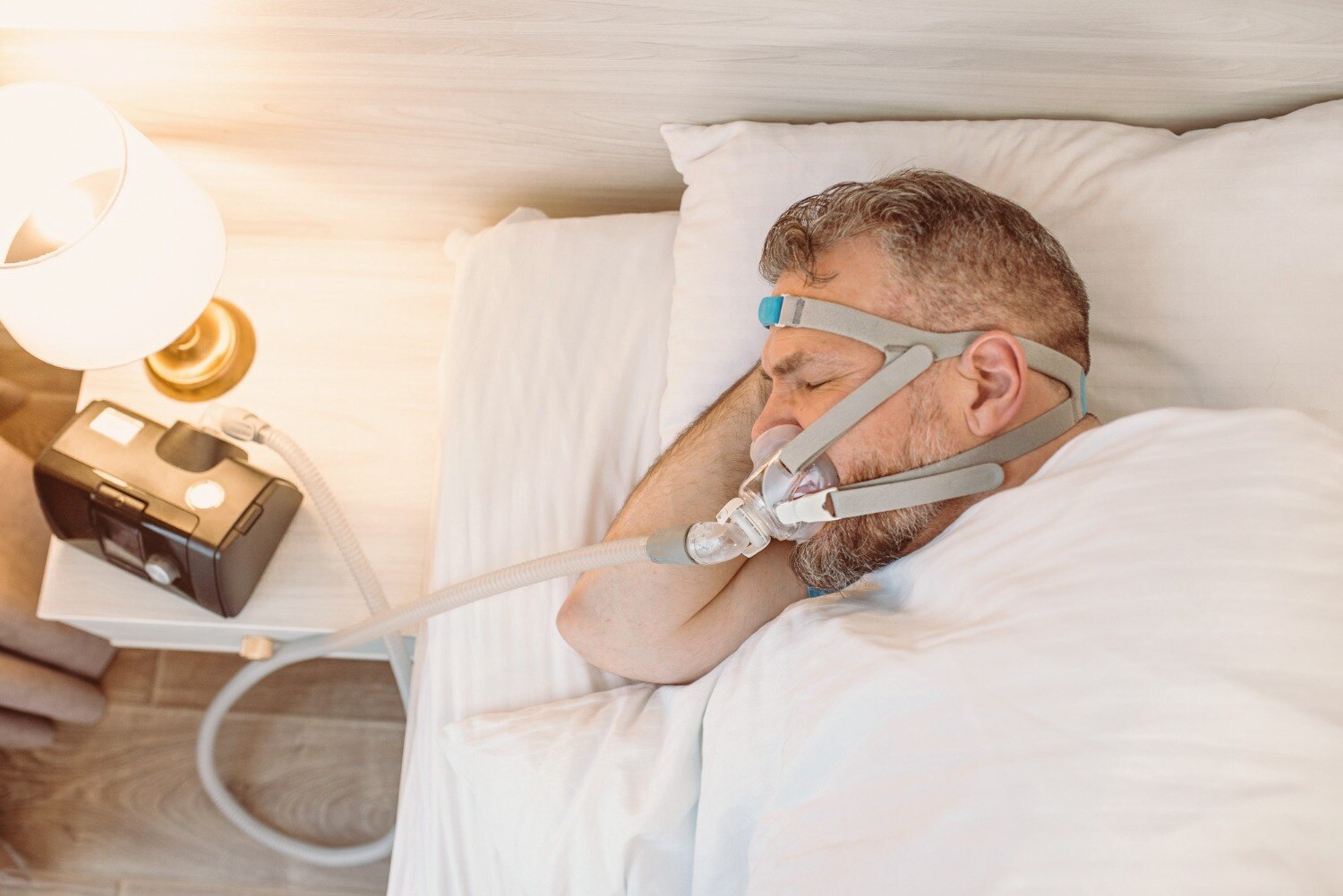
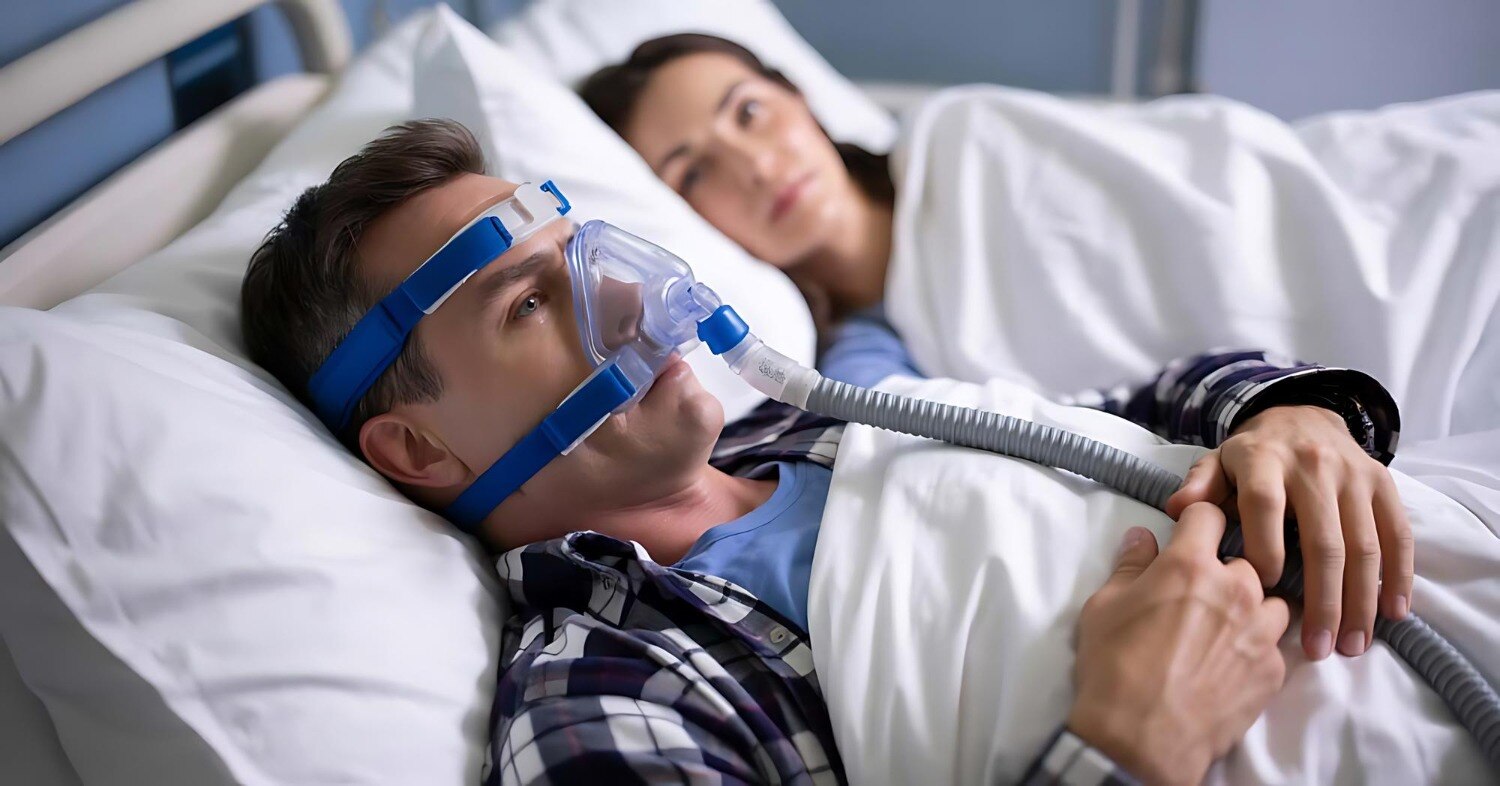
| Sleep apnoea or prior anaesthesia problem | Sedation, airway support and post-procedure observation may need adjustment | You snore heavily, use CPAP or had difficult intubation |
| Pregnancy possibility | Imaging, medicines and anaesthesia choices may change | Pregnancy is possible, even before a test confirms it |
How should you prepare your lungs, medicines and stomach beforehand?
Do not guess what to take or eat before an interventional pulmonary procedure. The exact plan depends on whether you are having flexible bronchoscopy, EBUS, transbronchial biopsy, airway stenting or pleural drainage, and on the sedation or anaesthesia used.
Report fever, a new productive cough, worsening breathlessness or another respiratory infection before arrival. The team may postpone the procedure, treat the infection or change precautions.
1. Bring every prescribed inhaler and follow the written instructions about the morning dose. Tell the team about recent nebulizers, steroid courses, oxygen, CPAP or BiPAP, and bring portable oxygen if instructed. Do not change oxygen flow yourself.
2. Do not smoke or vape before the procedure, and ask for structured smoking-cessation support rather than relying on stopping for one day. Avoid alcohol and recreational drugs; disclose what you used and when, because intoxication and withdrawal can alter sedation and breathing safety.
3. Ask for written instructions covering every routine medicine. Confirm whether to take or hold anticoagulants, antiplatelet drugs, diabetes medicines, blood-pressure tablets and supplements; never stop a prescribed drug independently.
Follow the centre’s stated fasting times for solids, milk, gum and sweets. Confirm the last permitted clear liquid, such as water, with the procedure team instead of assuming it is allowed. Arriving after eating can cancel the appointment; fasting too long can cause dehydration or low blood sugar.
What records and questions should you take to a Nagpur consultation?
Bring the complete record set, not just the latest scan, to a pulmonary procedure consultation in Nagpur. Digital files on your phone are useful, but printed reports help the team find dates, measurements and previous conclusions quickly.
- CT chest and chest X-ray images, preferably on the original CD or portal download, plus their written reports
- Spirometry or other pulmonary-function test reports
- Pathology, cytology and microbiology reports, including inconclusive results
- Current prescription, over-the-counter, herbal and supplement list with doses
- Allergy list, discharge summaries and records of previous anaesthesia problems
- Recent records showing fever, productive cough, worsening breathlessness or an active infection
The exact intervention changes the decision:
| Procedure | Confirm before consent | Why it matters |
|---|---|---|
| Flexible bronchoscopy | Sedation, airway inspection and specimen plan | A wash, brush or biopsy answers different questions |
| EBUS or transbronchial biopsy | Target, bleeding plan and pneumothorax monitoring | A small sample may be nondiagnostic |
| Pleural drainage or airway stenting | Fluid or airway problem, device plan and observation time | The procedure and follow-up needs differ substantially |
Ask a respiratory specialist in Nagpur: “What alternative exists—repeat imaging, surveillance or another sampling method?” Also ask, “What will a positive, negative or nondiagnostic result change?” Confirm the risks of bleeding and pneumothorax, who will review the result, and when treatment decisions follow.
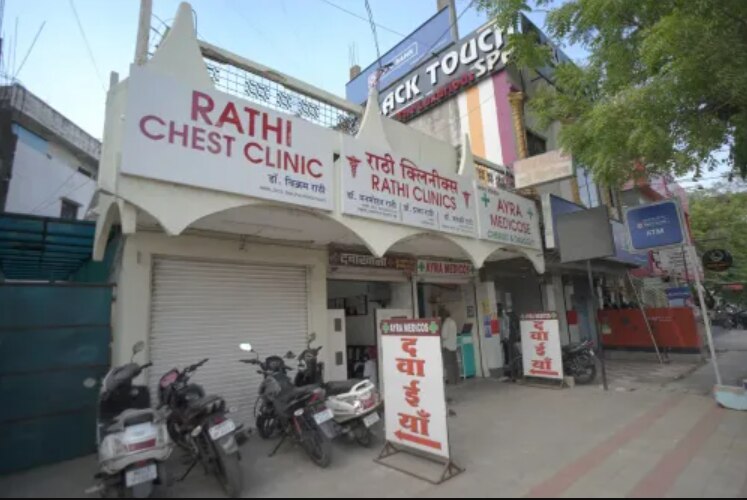
At Rathi Clinics Nagpur, use the consultation to match the proposed procedure with your scans, medication risks and a documented follow-up plan. Never stop aspirin, clopidogrel, warfarin or a direct oral anticoagulant without the prescribing clinician’s instruction.
Related service
Interventional Pulmonary procedures Interventional Pulmonary procedures People with lung and airway (pulmonary) or chest (thoracic) diseases benefit from the services of our interventional pulmonology specialists. View service → |
How should you plan transport, observation and recovery?
Arrange a responsible adult to accompany you home and remain with you overnight after sedation. Do not drive, cycle, operate machinery, sign legal documents or travel alone by public transport; sedatives can impair judgement after you feel awake. Plan a nearby toilet, easy meals and a phone within reach.
At a pulmonary procedure consultation in Nagpur, confirm the expected observation period, oxygen requirement, pain medicines, bleeding instructions and the number to call. Preventive healthcare in Nagpur includes reporting a change before arrival, not hiding it to avoid a cancellation.
- Call the procedure team before leaving if you develop fever, worsening breathlessness, chest pain, a new productive cough, wheezing, vomiting or fresh blood in your sputum.
- After discharge, seek urgent care for severe or increasing breathlessness, blue lips, fainting, confusion, severe chest pain, coughing more than a small streak of blood, or bleeding that does not settle.
- Follow the written discharge plan for temperature, pain and medication changes; do not restart anticoagulants or take extra sedatives unless the treating team confirms it.
| Procedure or recovery situation | Practical arrangement | Escalation |
|---|---|---|
| Bronchoscopy with sedation | Adult escort, private transport and overnight supervision | Call for worsening breathlessness, chest pain or persistent bleeding |
| Biopsy or airway stent | Confirm observation time and emergency contact before discharge | Seek urgent help for severe pain, breathlessness or inability to speak normally |
| Home oxygen use | Bring the prescribed oxygen supply and confirm its flow rate | Call urgently if oxygen saturation falls below the team’s target or symptoms worsen |
Frequently asked questions
What should a preventive assessment establish before an interventional pulmonary procedure?
It should identify risks linked to your medical history, examination, planned intervention and sedation or anaesthesia. Your clinician then selects relevant tests instead of ordering a blanket full-body check-up.
Which medicines and health details must you disclose?
Provide a complete list of prescription medicines, inhalers, over-the-counter drugs, vitamins and supplements. Disclose allergies, bleeding problems, sleep apnoea, heart or lung disease, previous anaesthesia reactions, pregnancy possibility and current symptoms.
How should you prepare your lungs, medicines and stomach beforehand?
Follow the clinic’s instructions for inhalers and other medicines; do not stop blood thinners or prescribed treatment without direct medical advice. Follow the specified fasting period, and report fever, worsening cough, breathlessness or a new respiratory infection before the procedure.
What records and questions should you take to a Nagpur pulmonary consultation?
Take prior scan and X-ray reports, pathology results, discharge summaries, medication strips or a written medicine list, allergy information and relevant referral notes. Ask about the procedure, sedation, required tests, medicine changes, fasting, complications, results timeline and follow-up.
How should you plan transport, observation and recovery?
Confirm whether sedation or anaesthesia prevents you from driving afterward. Arrange an adult escort, reliable transport and the required observation period, then follow instructions about activity, food, medicines and warning symptoms during recovery.
Keywords