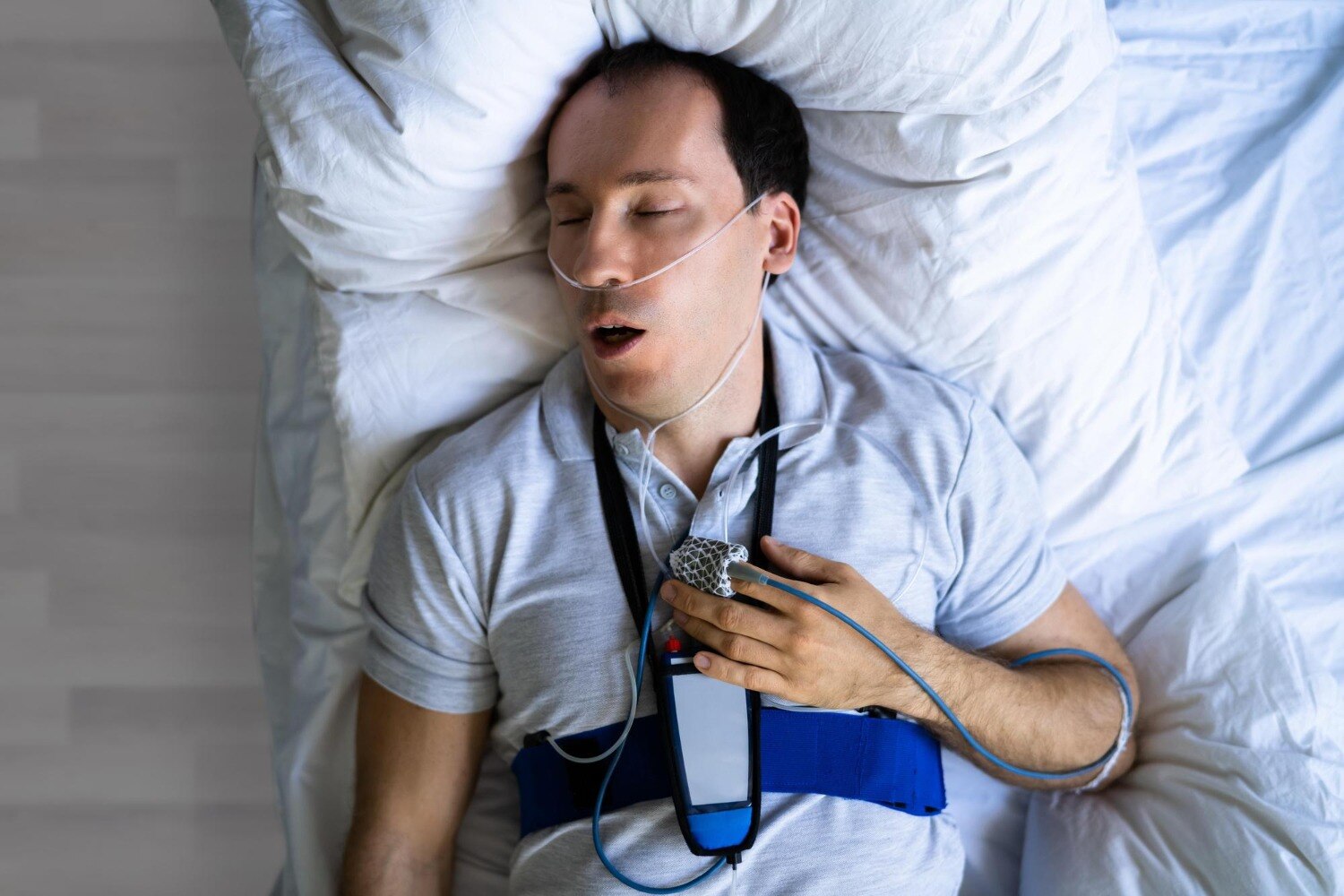
Repeated breathing disturbances during sleep can drive oxygen drops, brief arousals and surges in the sympathetic nervous system, raising blood pressure at night and in the morning. You will learn which warning signs justify sleep-breathing evaluation, how hypertension is confirmed, when a reading needs urgent care and how treatment decisions fit together.
Key takeaways
- Confirm repeated high readings before starting or changing treatment.
- Ask about loud snoring, witnessed pauses and morning headaches.
- Use a sleep study to confirm obstructive sleep apnea.
- Coordinate CPAP care with blood-pressure monitoring and medication reviews.
How sleep breathing problems can raise blood pressure
Nighttime or morning blood-pressure elevation deserves attention to sleep-disordered breathing because obstructive sleep apnoea repeatedly narrows or closes the upper airway during sleep. Each event lowers oxygen, triggers a brief awakening and activates the sympathetic nervous system, which raises heart rate and constricts blood vessels.
These surges can prevent the normal overnight blood-pressure dip and leave pressure elevated after waking. The pattern can contribute to resistant hypertension, defined as blood pressure above goal despite three appropriate medicines including a diuretic, or hypertension requiring four or more medicines.
Discuss sleep disordered breathing in Nagpur with a clinician if you have:
- Loud habitual snoring
- Witnessed pauses, choking or gasping
- Morning headaches, dry mouth or frequent nighttime urination
- Poor concentration or excessive daytime sleepiness
- Blood pressure that remains high despite treatment
Normal daytime blood pressure does not exclude nighttime hypertension or obstructive sleep apnoea. You may also have apnoea without obvious sleepiness, particularly if you are older or female.
High blood pressure sleep problems do not automatically mean sleep apnoea. Kidney disease, obesity, thyroid disease, alcohol, medicines and primary hypertension also need review. A pulmonologist or sleep service can help assess the breathing pattern alongside your blood-pressure clinician.
Treat a reading above 180/120 mmHg as urgent: repeat it after at least one minute. If it remains that high with chest pain, breathlessness, weakness, numbness, vision change, confusion or difficulty speaking, seek emergency care instead of waiting for sleep testing.
Confirm the blood pressure before choosing treatment
One reading does not establish hypertension. Confirm it with a validated upper-arm cuff: rest quietly for five minutes, keep your feet flat and arm supported at heart level, then take two readings one minute apart. Repeat morning and evening for three to seven days, recording the results.
A clinician should interpret the average, review clinic readings, and decide whether treatment is needed.
Do not attribute every elevated result to obstructive sleep apnea. Ask the treating clinician to review:
- Medicines such as ibuprofen, steroids, decongestants, oral contraceptives and stimulants
- Alcohol intake, tobacco, excess sodium and weight change
- Kidney disease, thyroid disease, diabetes and cardiovascular risk
- Missed antihypertensive doses, incorrect cuff size and measurement technique
For hypertension treatment in Nagpur, use the following action guide:
| Situation | What it means | What to do |
|---|---|---|
| Routine review | Repeated clinic readings of 140/90 mmHg or higher, or a home average of 135/85 mmHg or higher, without danger symptoms | Book a clinician review; discuss medicines, kidney and thyroid assessment, and sleep-apnea testing when indicated |
| Prompt review | A repeat reading remains above 180/120 mmHg but you have no warning symptoms | Contact your treating clinician promptly; do not take an extra dose or stop medicine without instructions |
| Emergency care | A repeat reading remains above 180/120 mmHg with chest pain, breathlessness, weakness, numbness, vision change, confusion or difficulty speaking | Seek emergency care immediately rather than waiting for a sleep appointment |
Which tests identify obstructive sleep apnea?
A questionnaire screens for risk; only an objective sleep study can identify obstructive sleep apnea. During evaluation, a clinician reviews snoring, witnessed pauses, choking, morning headaches, sleepiness, medicines, alcohol use, weight and cardiovascular history. Resistant hypertension—above target despite three medicines including a diuretic—or treatment with four medicines strengthens the case for testing.
If you are evaluating sleep disordered breathing in nagpur, these options serve different purposes:
| Option | What it does | When it applies |
|---|---|---|
| STOP-Bang questionnaire | Estimates OSA risk from symptoms and measurements | Initial screening; a high score requires testing, not automatic CPAP |
| Overnight oximetry | Records oxygen saturation and drops during sleep | Quick screening; a normal result does not exclude OSA, and abnormal drops need a diagnostic study |
| Home sleep-apnea test | Measures breathing flow, effort, oxygen and pulse at home | Uncomplicated adults with a high likelihood of moderate-to-severe OSA |
| Laboratory polysomnography | Records brain waves, sleep stages, breathing, oxygen, heart rhythm and movements | Preferred for significant cardiopulmonary disease, suspected hypoventilation or central apnea, chronic opioid use, neuromuscular weakness or severe insomnia |
A home test must produce technically adequate data. If it is negative or inadequate while suspicion remains, arrange laboratory polysomnography; home testing can miss milder disease and does not measure sleep time directly. Confirm local access, reporting and follow-up with the pulmonologist or sleep service.
Match sleep-apnea treatment with blood-pressure care
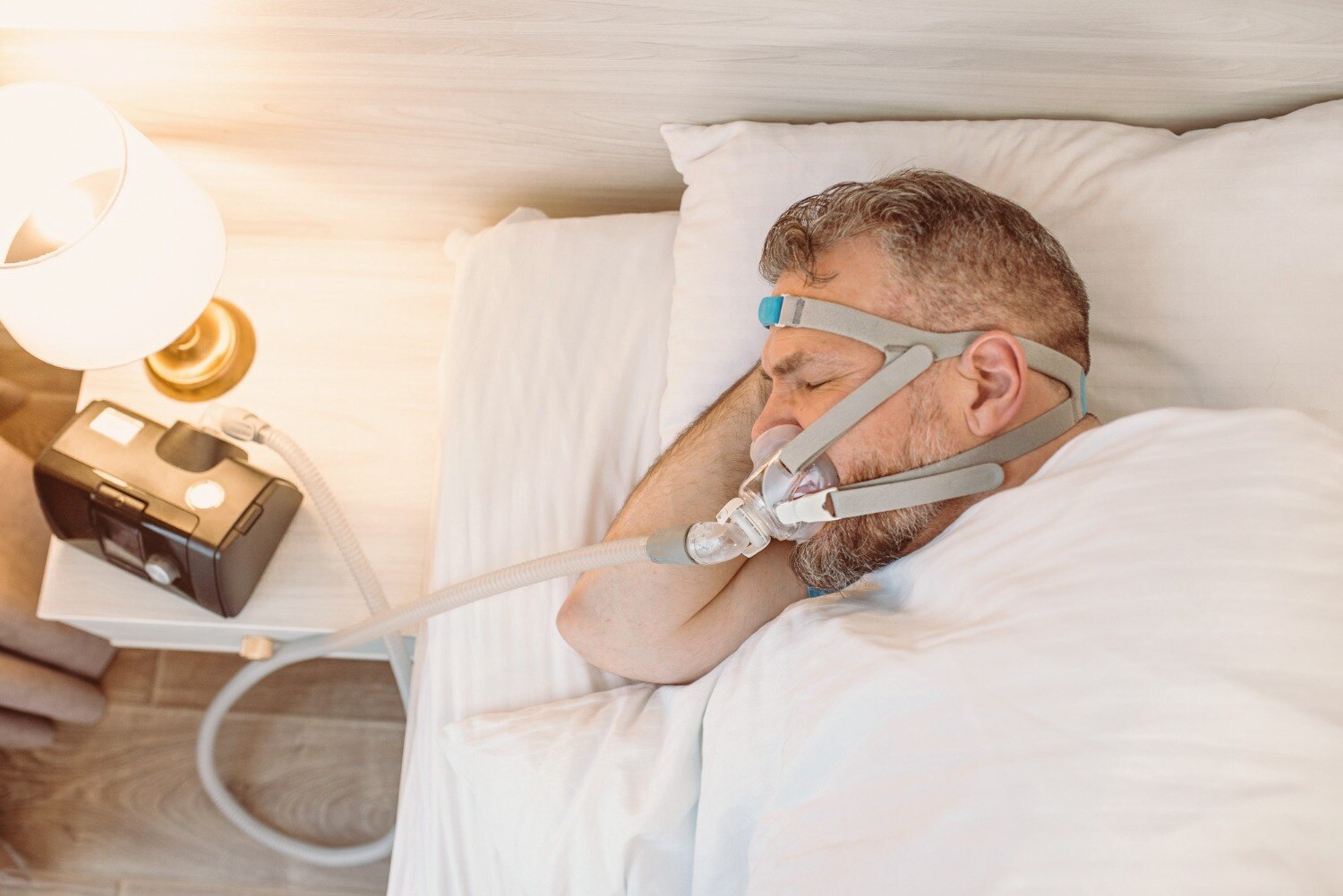
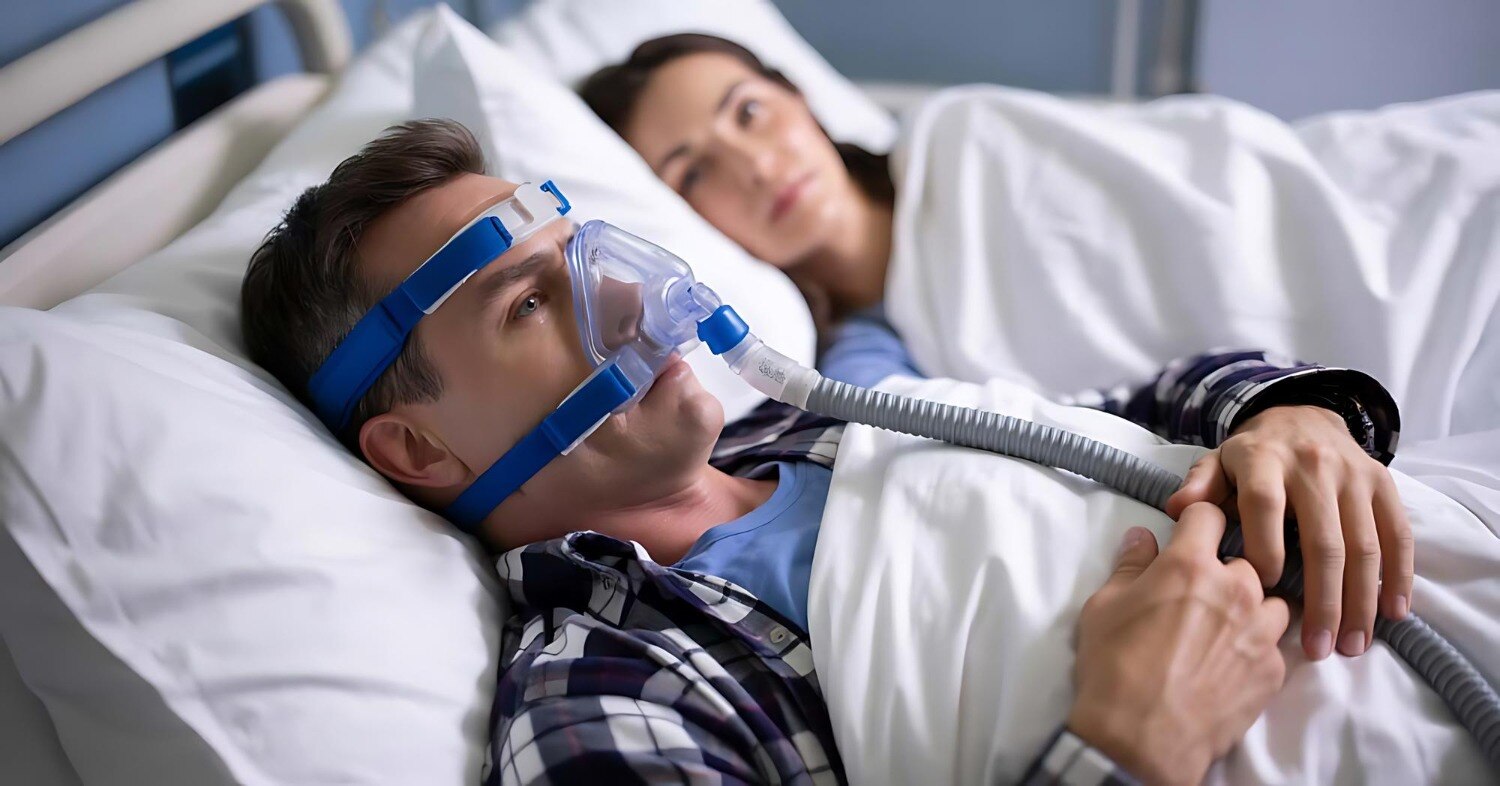
CPAP or APAP can lower blood pressure by preventing airway collapse and repeated oxygen drops, but the average reduction is usually only a few mmHg. Use it as an addition to prescribed antihypertensive medicine, lower-sodium eating, weight management and reduced alcohol intake—not as a replacement.
It is appropriate for adults with excessive sleepiness and reasonable when OSA coexists with hypertension even without marked sleepiness.
| Option | Effect on sleep apnea and blood pressure | When it applies |
|---|---|---|
| CPAP or APAP | Usually the most reliable airway control; blood-pressure benefit is modest and can be greater with resistant hypertension | Confirmed OSA with sleepiness, hypertension or pressure-related complications |
| Oral appliance | A custom mandibular-advancement device can reduce airway obstruction; its blood-pressure effect is less predictable than PAP | Mild-to-moderate OSA, or CPAP intolerance, with dental and sleep follow-up |
| Weight reduction | Can improve OSA severity and blood pressure | Excess weight is contributing; continue monitoring because improvement does not prove OSA has resolved |
Poor adherence turns an effective prescription into an unused one. Ask for mask refitting if there is leakage, humidification or nasal treatment for blockage, pressure adjustment for intolerance, and early device-data review if insomnia or discomfort prevents use.
Do not stop CPAP, APAP, an oral appliance plan or blood-pressure medicine because you lost weight, snore less or feel better. Reassessment with blood-pressure review and, when indicated, repeat sleep testing must show that treatment is no longer needed. Treat high blood pressure sleep problems as linked but separate decisions.
A coordinated care pathway for Nagpur patients
Start with one clinician owning the blood-pressure plan. For hypertension treatment in Nagpur, bring repeated clinic or validated home readings, the complete medicine list, dosing times and relevant test results to that appointment.
The clinician can assess adherence, kidney disease, thyroid disease, alcohol, weight and medicines that raise pressure instead of attributing every reading to sleep-disordered breathing.
Use a pulmonologist for sleep breathing when symptoms or blood pressure patterns justify objective testing, especially with resistant hypertension: pressure above goal despite three appropriate medicines including a diuretic, or treatment with four or more medicines.
- Ask the treating clinician whether a STOP-Bang screening score warrants testing; do not start CPAP from a questionnaire alone.
- Confirm whether the local service offers home sleep-apnea testing, overnight oximetry or laboratory polysomnography, and which test fits your symptoms and medical risk.
- Share the sleep report, including the AHI, oxygen desaturation and recording quality, with the blood-pressure clinician before changing treatment.
- Review blood pressure after sleep treatment begins, while continuing prescribed antihypertensive medicines unless the prescriber changes them.
- Arrange PAP equipment checks, mask review and adherence data follow-up; poor use can leave both the sleep problem and blood pressure inadequately controlled.
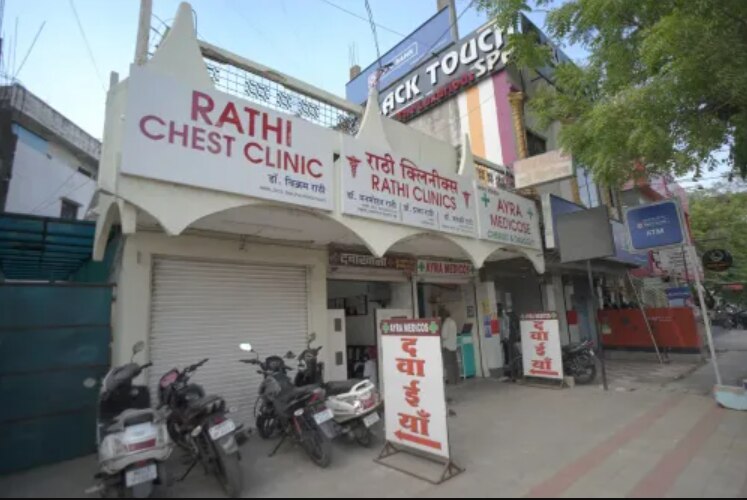
For hypertension treatment sleep disordered breathing in Nagpur, availability and follow-up arrangements vary by facility. Rathi Clinics Nagpur can be one local point to clarify who coordinates respiratory assessment, testing and ongoing blood-pressure communication.
Related services
Sleep Disordered Breathing conditions Sleep Disordered Breathing conditions A potentially serious sleep disorder in which breathing repeatedly stops and starts. Risk factors include age and obesity. It's more common in men. View service → |
Sleep Related Problems & Snoring (OSA) Sleep Related Problems & Snoring (OSA) Habitual snoring can be a sign of a serious health problem Causes Of Snoring Obstructed nasal airways: Some people snore only during allergy seasons... View service → |
Frequently asked questions
How can sleep breathing problems raise blood pressure?
Obstructive sleep apnea repeatedly narrows or closes the upper airway, lowering oxygen and activating the sympathetic nervous system. This raises heart rate and constricts blood vessels, causing blood-pressure surges during sleep.
How should blood pressure be confirmed before treatment?
Repeat measurements using a validated upper-arm cuff, correct cuff size and proper technique. Record readings at different times, including morning readings, and discuss persistent elevation with a clinician.
Which tests identify obstructive sleep apnea?
A clinician may recommend a home sleep apnea test or an overnight polysomnogram. These tests measure airflow, breathing effort, oxygen levels and sleep-related events.
How are sleep-apnea treatment and blood-pressure care coordinated?
Treat the confirmed sleep apnea, monitor blood pressure at home and review medicines with your clinician. Continue prescribed blood-pressure treatment while assessing the response to sleep-apnea care.
Keywords