


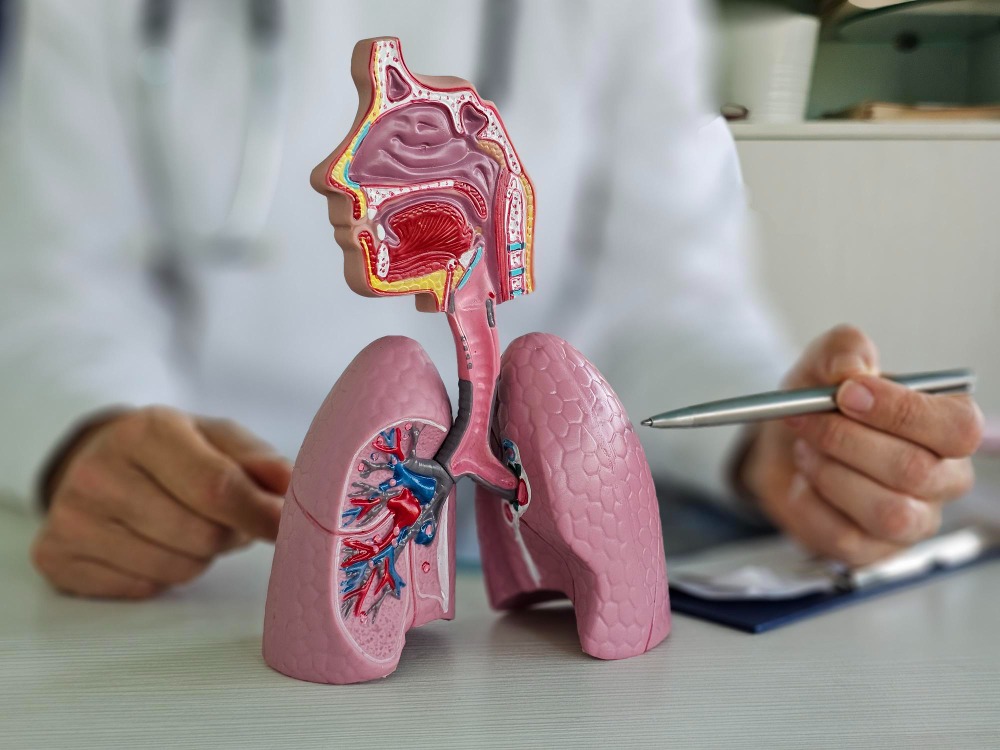
Repeated respiratory problems can gradually become part of everyday life. A person may begin carrying cough medicines regularly, avoiding stairs because of breathlessness, or assuming seasonal wheezing is unavoidable. A consultation with a lung specialist in Nagpur becomes particularly relevant when symptoms keep returning or begin restricting normal activity.
Knowing what information to bring can make that consultation much more productive.
Bring Previous Medical Records
Respiratory conditions are often easier to evaluate when the specialist can see what has already been investigated.
If available, bring:
- Previous chest X-rays
- CT scan reports
- Pulmonary function test reports
- Blood test results
- Hospital discharge summaries
- Previous prescriptions
- Tuberculosis-related reports
- Allergy-related investigations
Avoiding unnecessary duplication is easier when the clinician has access to previous results.
List Your Current Medicines
Bring the actual inhalers or photographs of them if possible.
Patients sometimes remember an inhaler's colour but not its name or dose. Knowing exactly what medication is being used helps the doctor determine whether treatment has been appropriate and whether inhaler technique needs correction.
Do not stop prescribed respiratory medication merely because you are attending a new consultation unless your treating clinician has advised you to do so.
Describe Breathlessness Specifically
Simply saying 'I get breathless' provides limited information.
Explain what brings it on. Can you walk normally on level ground? Do you become breathless while climbing one flight of stairs? Does it occur while dressing or bathing? Is it present when lying down?
Changes in exercise tolerance over time can be clinically useful.
Mention Environmental Exposure
Nagpur is a major urban centre in Maharashtra with traffic, construction, industrial activity, and varied occupational environments.
Tell the specialist about:
- Current or previous smoking
- Passive smoke exposure
- Dust exposure
- Chemical fumes
- Biomass smoke
- Workplace pollutants
- Pets
- Dampness or mould at home
The relevance of these factors varies, but they can sometimes help explain symptom patterns.
Keep Track of Recurring Episodes
If you repeatedly develop respiratory flare-ups, note how often they happen.
Useful information includes the number of episodes during the previous year, whether antibiotics or steroids were prescribed, whether emergency treatment was required, and whether hospitalisation occurred.
Frequent exacerbations may indicate that an established respiratory condition needs reassessment.
Ask What the Diagnosis Actually Means
Patients sometimes receive inhalers for years without understanding whether they have asthma, COPD, another airway disorder, or an uncertain diagnosis.
Rathi Clinics Nagpur provides specialist respiratory evaluation for symptoms including chronic cough, wheezing, breathlessness, recurrent chest infections, and other pulmonary concerns.
A useful consultation should help clarify:
- The likely diagnosis
- Necessary investigations
- Treatment goals
- Correct medication use
- Follow-up requirements
- Warning symptoms
Recognise Urgent Symptoms
Not all breathing problems should wait for an outpatient appointment.
Severe breathlessness, blue lips, confusion, fainting, significant chest pain, or coughing up substantial amounts of blood may require urgent medical care.
For non-emergency but persistent symptoms, preparation makes specialist consultation more valuable. Bringing previous records, medication details, exposure history, and a clear description of symptoms allows the lung specialist to spend more time addressing the actual clinical problem rather than reconstructing incomplete medical history.