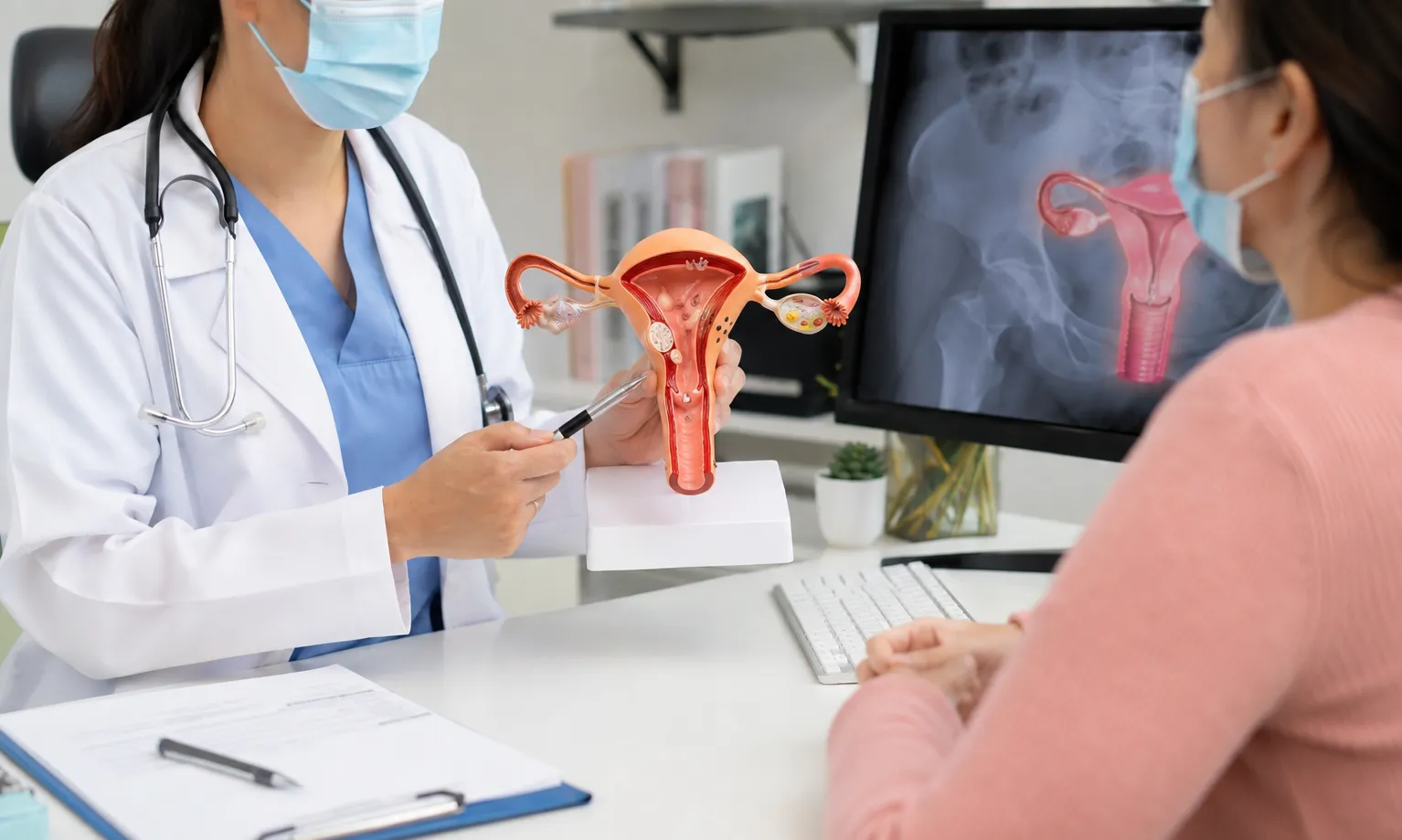
Uterine fibroids are one of the most common gynecological conditions affecting women during their reproductive years. These non-cancerous growths develop in or around the uterus and often vary in size and number. While many women never experience symptoms, others may face heavy menstrual bleeding, pelvic discomfort, fertility concerns, or pressure on nearby organs. Knowing when to seek uterus fibroid treatment in Nagpur can help prevent complications and improve overall quality of life.
Fibroids are not always dangerous, but they should be evaluated by a gynecologist when symptoms interfere with daily activities or reproductive health.
What Are Uterine Fibroids?
Fibroids, also called leiomyomas, are benign muscle growths that develop from the wall of the uterus. A woman may have a single fibroid or multiple fibroids of different sizes.
Depending on their location, fibroids may grow:
- Inside the uterine wall
- Within the uterine cavity
- On the outer surface of the uterus
- Attached to the uterus by a small stalk
Many fibroids are discovered during routine gynecological examinations or ultrasound scans performed for unrelated reasons.
Symptoms That Should Not Be Ignored
Some women have no symptoms at all, while others may experience:
- Heavy or prolonged menstrual bleeding
- Pelvic pain or pressure
- Lower back pain
- Frequent urination
- Constipation
- Pain during intercourse
- Abdominal fullness or swelling
- Difficulty conceiving
- Recurrent pregnancy loss in selected cases
Persistent symptoms deserve medical attention rather than self-treatment.
Who Is More Likely to Develop Fibroids?
Although fibroids can affect women of different age groups, certain factors may increase the risk.
These include:
- Family history of fibroids
- Age between 30 and 50 years
- Hormonal changes
- Obesity
- Early onset of menstruation
Having one or more risk factors does not necessarily mean fibroids will develop, but regular gynecological check-ups help with early detection.
How Fibroids Are Diagnosed
Doctors begin with a detailed medical history and physical examination before recommending investigations.
Diagnostic tests may include:
- Pelvic ultrasound
- Blood tests if heavy bleeding has caused anemia
- Additional imaging for complex fibroids when necessary
Accurate diagnosis helps determine whether observation or active treatment is the most appropriate option.
Does Every Fibroid Need Treatment?
Not always.
Treatment may not be necessary if:
- The fibroid is small.
- There are no symptoms.
- It is not affecting fertility.
- It remains stable in size.
Your gynecologist may simply recommend periodic monitoring to ensure the fibroid is not growing or causing complications.
Available Treatment Options
Treatment depends on several factors, including age, symptoms, size and location of the fibroid, and future pregnancy plans.
Management may involve:
- Medication to reduce symptoms
- Hormonal therapy
- Minimally invasive procedures
- Surgical treatment for larger or symptomatic fibroids
- Regular follow-up with imaging
Every treatment plan is personalized based on the patient's individual needs.
Comprehensive Women's Healthcare Makes a Difference
Women experiencing heavy bleeding, pelvic pain, or fertility concerns often benefit from coordinated healthcare that combines gynecological expertise with diagnostic support.
At Rathi Clinics Nagpur, women receive individualized evaluation for uterine fibroids along with access to diagnostic investigations and comprehensive women's healthcare. This integrated approach helps ensure that treatment decisions are based on accurate diagnosis and long-term reproductive health goals.
Early Evaluation Leads to Better Outcomes
Fibroids are common, but they should never be ignored when symptoms affect your health or daily routine. Seeking timely uterus fibroid treatment in Nagpur allows women to manage symptoms effectively, protect fertility when desired, and make informed decisions about their healthcare with confidence.
Keywords