
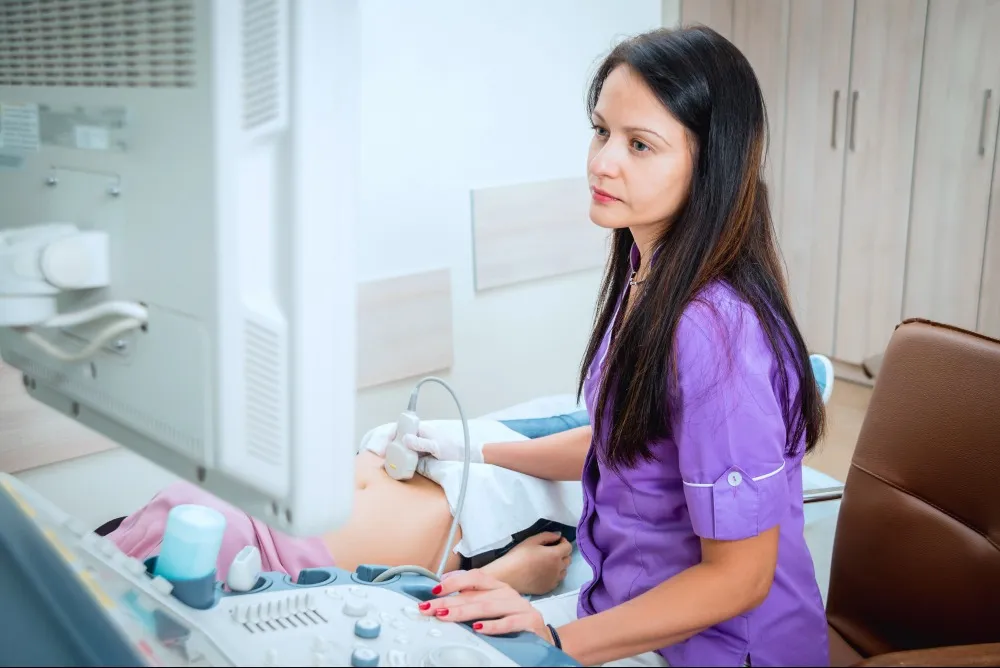
Gynecological problems can sometimes be managed with medicines, monitoring, or lifestyle changes. In other situations, surgery may become necessary to diagnose or treat the underlying condition. Consulting a laparoscopic gynecologist in Nagpur can help patients understand whether minimally invasive surgery is appropriate for their particular diagnosis.
Laparoscopy uses a small camera called a laparoscope to allow the surgeon to view structures inside the abdomen and pelvis. Instead of making one large surgical incision, the procedure generally uses several small incisions. The exact surgical approach depends on the condition being treated, previous surgeries, overall health, and clinical findings.
Conditions Commonly Evaluated for Gynecological Laparoscopy
A gynecologist may consider laparoscopy for several conditions affecting the female reproductive system. These can include:
- Ovarian cysts
- Endometriosis
- Certain uterine fibroids
- Ectopic pregnancy
- Pelvic adhesions
- Unexplained pelvic pain
- Selected infertility-related conditions
- Certain hysterectomy procedures
Not every patient with these conditions requires surgery. Imaging, laboratory investigations, symptoms, reproductive plans, and previous treatment response all influence the decision.
Why Accurate Diagnosis Comes Before Surgery
Pelvic pain, abnormal bleeding, difficulty conceiving, and painful periods can have multiple possible causes. For example, pelvic discomfort may be associated with endometriosis, ovarian problems, infection, fibroids, or conditions outside the reproductive system.
Before recommending laparoscopy, the gynecologist may review the patient's medical history and perform a clinical examination. Ultrasound or other imaging may also be required.
Patients should clearly describe symptoms such as their timing, severity, menstrual changes, previous pregnancies, fertility concerns, and treatments already attempted.
Potential Benefits of a Laparoscopic Approach
When clinically suitable, minimally invasive gynecological surgery may offer practical advantages compared with some traditional open procedures.
Depending on the operation, potential benefits can include smaller incisions, reduced postoperative discomfort, shorter hospital stays, and earlier return to routine activity. However, recovery differs between patients and procedures.
Laparoscopy is still surgery. Anaesthesia, bleeding, infection, injury to surrounding structures, blood clots, or conversion to open surgery are among the risks that may need to be discussed before a procedure.
Questions Worth Asking During Your Consultation
Patients considering surgery can make the consultation more useful by asking:
- What is the exact diagnosis?
- Is surgery necessary at this stage?
- Are non-surgical treatments reasonable?
- Why is laparoscopy suitable for my condition?
- What procedure is being recommended?
- What are the important risks?
- How long might recovery take?
- Could the procedure affect future fertility?
For women planning pregnancy, fertility goals deserve particular attention because they may influence the treatment approach.
Preparing for a Laparoscopic Procedure
Preparation depends on the planned surgery. Patients may require blood investigations, imaging, anaesthesia assessment, medication review, or other preoperative tests.
Inform the medical team about regular medicines, previous operations, allergies, chronic illnesses, and any possibility of pregnancy. Medicines should not be stopped or changed without appropriate medical guidance.
Seeking Specialist Care in Nagpur
Women in Nagpur and surrounding areas of Maharashtra have access to specialist gynecological assessment for conditions that may require minimally invasive treatment. Rathi Clinics Nagpur provides gynecological consultations where symptoms, investigations, treatment alternatives, and surgical considerations can be reviewed before a treatment decision is made.
The important point is that laparoscopy is not automatically the right option simply because it is minimally invasive. The appropriate procedure should be selected according to the diagnosis, severity of disease, medical history, reproductive goals, and expected clinical benefit.
Keywords